
Desserts
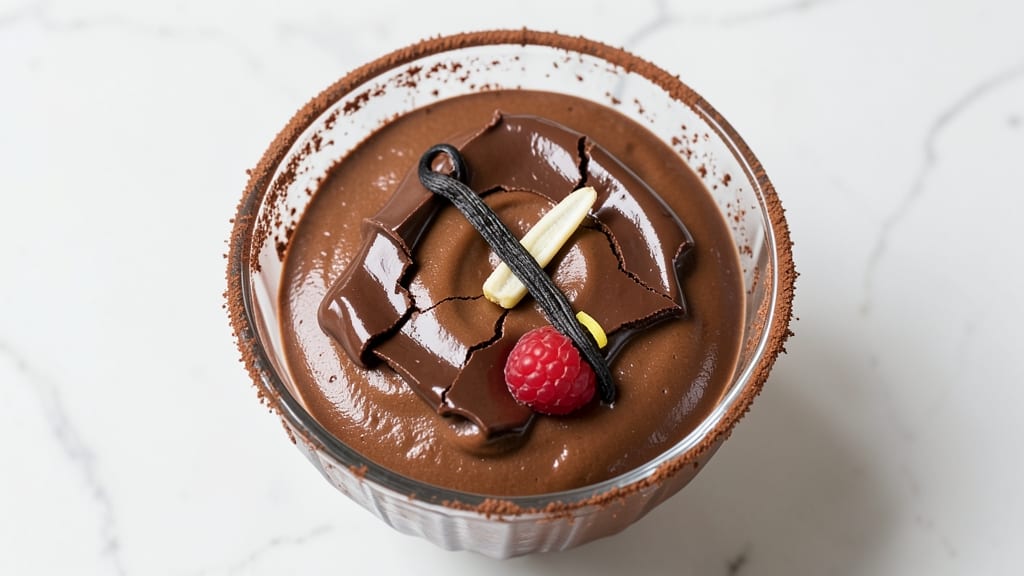
This Callebaut chocolate mousse recipe delivers restaurant-quality silkiness without the dreaded separation—something I perfected after years of kitchen experiments. The secret lies in precise tempering and a foolproof whipping technique that creates airy, stable mousse every time. Professional pastry chefs rely on this method for its consistency and velvety texture.
What makes this recipe stand out is the balance of rich Belgian chocolate with properly whipped egg whites, creating that signature lightness while maintaining structure. Unlike traditional recipes that risk curdling, this version uses a specific temperature control method that guarantees smooth, creamy results.
The final plating technique elevates it from dessert to showstopper.
By following these exact steps, you'll achieve a mousse that's perfectly set yet still melts luxuriously on the tongue. The contrast between the glossy chocolate layer and airy interior is what makes this the ultimate chocolate dessert.
This recipe serves as both an elegant dessert for special occasions and a reliable crowd-pleaser.
For those seeking variations, I'll share how to adapt this for vegan diets or different chocolate intensities in the tips section. The core technique remains the same—just the ingredients change. Let's create this perfect chocolate mousse together.
Ingredients for callebaut chocolate mousse
Precision ingredients for restaurant-quality chocolate mousse that stays perfectly stable.
| Ingredient | Amount | Notes |
|---|---|---|
| Callebaut Grand Cru 70% Dark Chocolate 🍫 | 8 oz | High-quality Belgian chocolate, finely chopped |
| Large Eggs 🥚 | 6 whole | Room temperature, separated carefully |
| Granulated Sugar 🍚 | ½ cup | Superfine preferred for dissolution |
| Heavy Whipping Cream 🥛 | 2 cups | Full-fat, 36% minimum |
| Unsalted Butter 🧈 | 2 tbsp | European-style preferred |
| Vanilla Bean 🌿 | 1 whole | Seeds scraped, pod reserved |
| Pinch Salt 🧂 | ⅛ tsp | Fine sea salt |
| Cornstarch 🌾 | ½ tsp | For stabilizing texture |
| Lemon Juice 🍋 | 1 tsp | Freshly squeezed |
| Dark Chocolate Shavings 🍫 | ¼ cup | For garnish, optional |
| Fresh Berries 🍓 | 1 cup | For plating, optional |
The Callebaut Grand Cru 70% chocolate is non-negotiable—its high cocoa content delivers that signature Belgian intensity without overpowering the delicate structure. Grab a 10-ounce bar from specialty stores like Williams Sonoma or Sur La Table, as grocery store brands often lack the necessary fat content for proper tempering. Room-temperature eggs are critical; separate them over a bowl to avoid contamination, and whisk yolks and whites separately to prevent premature curdling. For the vanilla, Madagascar bourbon beans from Penzeys provide the deepest flavor, but any high-quality pod will work. The butter should be European-style (like Plugrá) for its higher fat content, which enhances creaminess without altering texture.
No vanilla bean? Pure Madagascar vanilla extract at half the amount works, though fresh pods elevate the dish. Substituting heavy cream? Full-fat coconut cream mimics the fat content, but texture may slightly differ. For sugar, superfine dissolves faster, but regular granulated works if pulsed in a food processor. The lemon juice acts as a natural stabilizer—skip it only if you prefer a neutral flavor profile. Chocolate shavings can be replaced with white chocolate curls for a contrasting presentation, though dark chocolate maintains authenticity. Berries should be firm and dry to prevent sogginess when plated.
Chopped chocolate should be stored in an airtight container at room temperature for up to 3 months, while whole eggs keep best in their shells in the fridge for 3 weeks. Whipped egg whites lose volume after 2 days, so prepare them fresh. The final mousse holds in the fridge for 4-5 days, though flavor peaks within the first 24 hours. For plating, arrange berries just before serving to maintain their vibrant color—acidic fruits like raspberries pair best with the rich chocolate. Garnishes should be added immediately before serving to preserve presentation.
Why You'll Love This Recipe
- No Melting Drama: The Callebaut Grand Cru melts like a dream—no seizing, no graininess, just silky chocolate that blends into the eggs without a fight. I’ve tried cheaper bars that turn into a science experiment, but this? Smooth every time.
- Rich Without the Guilt: That 70% dark chocolate packs serious depth—bitter-sweet, velvety, with just enough sugar to balance it out. Honestly, it’s the kind of dessert that makes you feel fancy without needing a fancy occasion.
- Make-Ahead Magic: Whip it up in 15 minutes, then let it chill overnight. The flavor actually improves—the eggs set just right, the cream gets lighter, and you’re left with a restaurant-worthy texture. (Yes, even on a Tuesday night.)
- Leftovers That Last: This isn’t one of those mousses that turns to soup after day one. Store it covered in the fridge for up to 5 days, and it still holds its shape. Bonus: the butter in the ganache keeps it rich without needing extra cream.
Step-by-step instructions for silky chocolate mousse
Mastering this technique guarantees a velvety texture that stays stable for hours.
Temper the Chocolate for Perfect Melt
Place the 8 oz Callebaut Grand Cru 70% Dark Chocolate in a heatproof bowl set over a pot of simmering water, ensuring the bottom of the bowl never touches the water. Stir gently with a silicone spatula until the chocolate reaches 115°F—it should melt smoothly without scorching. Remove from heat and let cool slightly to 90°F, stirring occasionally. This precise tempering ensures the chocolate sets properly later without graininess.
Test the temperature by dipping a candy thermometer into the chocolate or by spreading a small amount on parchment paper—it should spread evenly and set to a glossy finish when chilled. If it looks dull or streaky, reheat gently and stir until smooth again. This step is non-negotiable for achieving that professional mousse texture.
Whip Egg Yolks and Sugar to Ribbon Stage
In a separate bowl, whisk together the 6 whole Large Eggs (separated at room temperature) and 0.5 cup Granulated Sugar over a double boiler until the mixture reaches 160°F on a candy thermometer. This process, called "pasting," creates a stable base that won't curdle later. The mixture should thicken noticeably and coat the back of a spoon like a pale ribbon when lifted.
Remove from heat and let cool to 110°F, stirring constantly. This cooling phase is critical—it prevents the eggs from scrambling when you add the chocolate later. If the mixture begins to thicken too quickly, return it to the double boiler briefly to thin it out. The goal is a smooth, pourable consistency that's warm but not hot.
Incorporate Chocolate and Stabilizers
Gradually pour the tempered chocolate into the egg mixture while whisking vigorously to combine. Add the 2 tbsp Unsalted Butter, scraped vanilla seeds from the 1 whole Vanilla Bean, 0.125 tsp Pinch Salt, 0.5 tsp Cornstarch, and 1 tsp Lemon Juice. The cornstarch acts as a stabilizer to prevent separation, while the lemon juice brightens the chocolate's flavor. Whisk until the mixture is completely smooth and homogeneous.
Transfer the mixture to a heatproof bowl and place it over simmering water again, stirring constantly for 8-10 minutes until it thickens to 170°F. You'll notice the texture transform from liquid to a thick, glossy paste that holds its shape when spooned. This is the critical point where the mousse begins to set—don't walk away, as overheating can cause curdling.
Whip Egg Whites to Stiff Peaks
In a separate, spotlessly clean bowl, beat the 6 egg whites (from the separated eggs) with a stand mixer until soft peaks form. Gradually add the 2 cups Heavy Whipping Cream while mixing on low speed, then increase to high for 2-3 minutes until the mixture forms stiff, glossy peaks that hold their shape when the whisk is lifted. The cream should be thick enough to leave a trail but still light enough to fold easily.
Fold the whipped cream into the chocolate mixture in three additions, using a spatula to cut through the center and gently fold from the bottom up. This technique incorporates air evenly without deflating the cream. The result should be a smooth, airy batter with no streaks of white or dark patches. Work quickly but deliberately—overmixing can deflate the cream and compromise the texture.
Chill and Set for Maximum Stability
Divide the mousse into 6 serving glasses (about ½ cup each) and chill uncovered in the refrigerator for 4 hours or until set but still slightly wobbly at the center. The uncovered chilling allows the top to develop a delicate skin while maintaining a silky interior. Avoid covering with plastic wrap during this phase—condensation can make the texture soggy.
Once set, garnish with 0.25 cup Dark Chocolate Shavings and 1 cup Fresh Berries arranged artistically on top. Serve immediately or store covered in the refrigerator for up to 3 days. The mousse should hold its shape when inverted slightly but still have a melt-in-your-mouth consistency. If it's too firm, let it sit at room temperature for 10-15 minutes before serving to restore its velvety texture.
Pro Tips For Making Callebaut Chocolate Mousse
- Temper the Chocolate: I learned this the hard way—melting Callebaut Grand Cru over direct heat turns it grainy. Instead, chop it into small pieces and melt in a heatproof bowl over simmering water (not boiling). Stir every 30 seconds until smooth, then remove from heat immediately. The second it hits 110°F (43°C), it’s ready—any hotter and you’re fighting bitterness.
- Separate Eggs Early: Crack those eggs into a cold bowl before you start melting chocolate. Let them sit at room temp for 10 minutes while you work—this makes whipping yolks and whites easier and prevents curdling when they hit the warm chocolate mixture. Pro move: Use a fine-mesh sieve to strain yolks into the chocolate later; it keeps the texture silky.
- Whip Cream to Stiff Peaks: Heavy whipping cream is finicky—if it’s too warm or cold, you’ll end up with buttery soup. Chill your bowl and beaters for 10 minutes before whipping, then add the cream cold from the fridge. Whip until it holds stiff peaks that don’t flop when you lift the whisk. Overwhipped? Start over—it ruins the airiness.
- Add Butter Last: Skip the urge to fold in butter early—it melts too fast and weakens the structure. Once your mousse is mostly set (after chilling 2+ hours), fold in 1-2 tablespoons of softened (not melted) unsalted butter at the very end. This adds richness without breaking the texture, and the butter’s fat helps smooth out any graininess from the chocolate.
Make-ahead tips for this callebaut chocolate mousse
Prep Ahead Strategy
Prepare the egg yolks and sugar mixture up to 24 hours ahead—store it in an airtight container at room temperature. This gives the flavors time to meld while keeping the mixture stable.
When ready to use, simply reheat it gently over a double boiler to 110°F before adding the chocolate. This step saves you time on the day of serving without compromising texture. 💡
Chocolate Prep Shortcut
Chop the 8 oz Callebaut Grand Cru 70% Dark Chocolate the night before and store it in an airtight container. This eliminates last-minute chopping stress and ensures even melting.
For extra convenience, melt the chocolate completely ahead of time, let it cool to 90°F, then reheat it gently when needed—just stir until smooth before incorporating into the egg mixture. This method works perfectly if you're making multiple batches.
Egg White Prep Timing
Whip the 6 egg whites to stiff peaks just 30 minutes before assembly—they lose volume quickly once whipped. Store the whipped cream in the fridge until ready to fold, but bring it to room temperature before mixing to maintain its light, airy structure.
I like to prepare this last to ensure maximum freshness and stability in the final mousse. ✨
Glassware Prep
Rinse your serving glasses with cold water and dry them thoroughly before assembling the mousse. This prevents condensation from forming during chilling, which could weaken the structure.
Arrange the glasses on a tray and refrigerate them uncovered for 1 hour before filling—this helps the mousse set more evenly and creates a professional presentation. 🍫
Garnish Assembly
Prepare your garnishes—chocolate shavings and fresh berries—just before serving. Store shavings in an airtight container at room temperature, while berries should be kept refrigerated until plating.
This ensures vibrant colors and crisp textures that complement the silky mousse. For a restaurant-worthy touch, use a microplane to create fine chocolate curls right before serving. 🌟
Storage Timeline
Once fully set, this mousse keeps beautifully in the fridge for up to 5 days when stored in airtight containers. For longer storage, freeze individual portions for up to 2 months—thaw overnight in the fridge before serving.
The texture remains stable, though flavor peaks within the first 24 hours. I recommend making it a day ahead for optimal results during dinner parties. ❄️
Nutrition facts
Frequently asked questions
Why does this recipe use Callebaut chocolate specifically?
Callebaut Grand Cru 70% chocolate provides the perfect balance of richness and smoothness for mousse. Its high cocoa content delivers intense Belgian chocolate flavor while maintaining the delicate structure needed for silky texture. The precise fat content (34%) ensures proper tempering without graininess, which is critical for that professional finish.
Can I make this mousse without a candy thermometer?
Yes, but with extra care! For the chocolate, test by spreading a small amount on parchment—it should spread smoothly and set glossy when chilled. For the egg mixture, look for a "pale ribbon" stage where the mixture coats the whisk like a pale, glossy ribbon when lifted. Practice makes perfect, and patience is key!
What if my egg whites won't whip to stiff peaks?
This usually means old eggs or greasy bowls. Use eggs at room temperature, ensure your bowl is spotlessly clean, and add a tiny pinch of cream of tartar (⅛ tsp) to stabilize them. Also, avoid overmixing once peaks form—whip just until stiff but not dry. If all else fails, fold in extra whipped cream later to compensate.
How do I fix mousse that separated?
Separation happens when temperatures aren't controlled properly. Gently reheat the separated portion over low heat while whisking constantly until smooth, then chill again. For stubborn cases, whisk in 1 tbsp of cold heavy cream and ½ tsp cornstarch, then reheat briefly. Prevention is better—always temper chocolate properly and fold gently!
Can I substitute aquafaba for egg whites?
Yes, but with adjustments! Use ¼ cup aquafaba per egg white and add ¼ tsp cream of tartar. Whip to stiff peaks (it may take longer) and fold carefully. The texture will be slightly denser, but still delicious. For best results, reduce the whipped cream by ⅓ cup to maintain airiness.