
Desserts
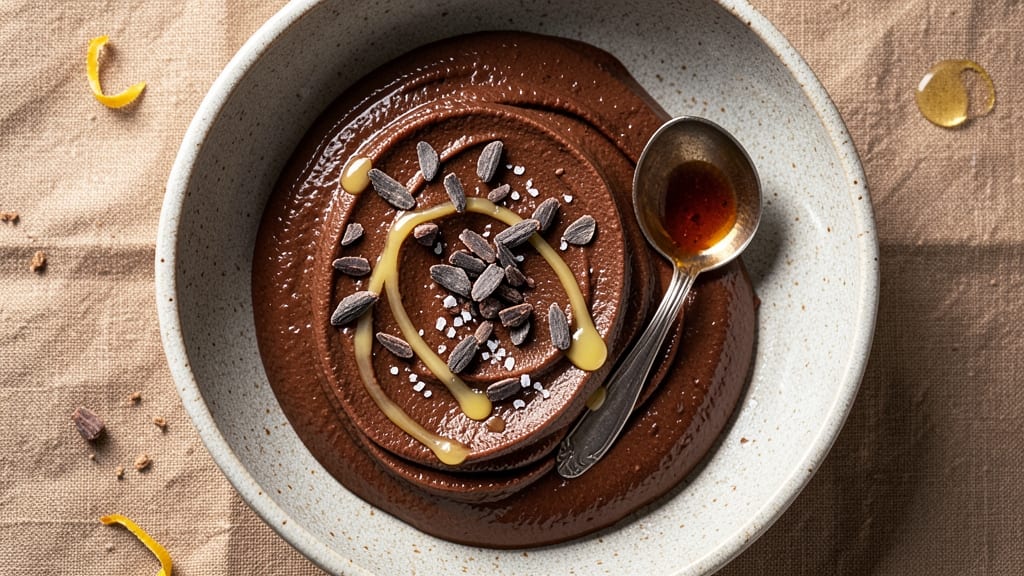
This vegan cacao paste chocolate recipe delivers restaurant-quality richness in just 10 minutes—no tempering or complex techniques required. The secret lies in blending raw cacao paste with coconut oil and maple syrup, creating a velvety, spreadable chocolate that’s more intense than store-bought.
I developed this after craving a smooth, dairy-free chocolate that still tasted luxurious, and it’s become my go-to for everything from desserts to beverages.
The beauty of this recipe is its versatility. You’ll end up with a silky ganache that can be drizzled over fruit, swirled into coffee, or spread on toast—all while keeping it 100% plant-based.
The cacao paste provides deep, complex chocolate flavor without the bitterness of cocoa powder, while coconut oil adds a creamy texture that’s impossible to resist. It stores perfectly in the fridge for up to 2 weeks, making it ideal for meal prep or gifting.
What makes this recipe stand out is how simple yet professional the results are. No special equipment is needed—just a saucepan, whisk, and patience for the mixture to cool. The final product is glossy, rich, and melt-in-your-mouth, with a smoothness that rivals high-end chocolate spreads.
Whether you’re a baking enthusiast or just love indulgent treats, this ganache will elevate your desserts effortlessly.
Use it as a chocolate dip for strawberries, a glaze for cakes, or a flavor booster for smoothies. The possibilities are endless, and the process is foolproof—perfect for anyone looking to create homemade chocolate without the fuss. Let’s get started!
Ingredients for cacao paste chocolate
Rich cacao paste meets velvety coconut oil and maple syrup for a decadent, plant-based chocolate ganache.
| Ingredient | Amount | Notes |
|---|---|---|
| Raw Cacao Paste 🍫 | ½ cup | High-quality, unsweetened, finely ground |
| Unrefined Coconut Oil 🥥 | ¾ cup | Melted, virgin preferred |
| Pure Maple Syrup 🍁 | ⅓ cup | Grade B for deeper flavor |
| Vanilla Extract 🌿 | 1 tbsp | Pure, high-quality vanilla |
| Pinch Sea Salt 🧂 | ⅛ tsp | Fine grain, enhances sweetness |
| Cacao Nibs 🍫 | 2 tbsp | Optional, for texture and crunch |
| Filtered Water 💧 | 1 tbsp | For adjusting consistency |
| Lemon Juice 🍋 | ½ tsp | Brightens the ganache |
The cacao paste is the heart of this recipe—look for high-quality, finely ground paste at specialty stores like Whole Foods or online retailers like Navitas Organics. The difference between cacao paste and cocoa powder is striking: paste delivers intense, complex chocolate flavor without bitterness. For coconut oil, unrefined, virgin varieties (like Nutiva) add subtle coconut notes, while refined versions keep it neutral. Maple syrup should be Grade B for its deeper, earthier flavor—Wilder or U.S. Maple brands are my go-tos. Freshly ground cacao nibs (if using) add texture, but they’re optional for a smoother finish.
No cacao paste? Blend unsweetened cocoa powder with 1 tbsp coconut oil per 2 tbsp cocoa to mimic its richness, though texture will differ. Swap maple syrup for agave nectar or date syrup, but maple’s unique flavor is worth prioritizing. If you prefer a sweeter ganache, add an extra 1 tbsp maple syrup—taste as you go. The lemon juice brightens the ganache beautifully, but if you’re avoiding citrus, a pinch of orange zest works too. For a smoother texture, strain the ganache through a fine-mesh sieve before using, especially if you’re using nibs.
This ganache thickens as it cools, so store it in an airtight container in the fridge for up to 2 weeks. To use, simply microwave for 10-15 seconds or let it sit at room temperature for 5 minutes—it’ll return to its silky state. For gift-giving, portion into small jars and tie with ribbon. The ganache freezes beautifully for 3 months, though texture may separate slightly upon thawing. Always reheat gently to preserve its velvety consistency.
Why You'll Love This Recipe
- Five-Ingredient Magic: That’s it—just melt, mix, and pour. No tempering, no fancy equipment, just raw cacao paste and coconut oil melting together like old friends. I’ve made this while chatting on the phone, while waiting for dinner to finish, even while my dog begged for scraps.
- Rich Without Guilt: The cacao paste packs deep, earthy chocolate flavor but none of the processed sugar crash. Maple syrup sweetens it just enough to balance that natural bitterness, and the vanilla? It’s the cherry on top—like a hug for your taste buds. Honestly, I’ve skipped dessert more than once because this hits the spot.
- Stash for Later: This keeps for weeks in the fridge, so you’re never scrambling for a last-minute treat. Spread it on toast, drizzle it over fruit, or just eat it straight—it’s my go-to when I forget to buy actual chocolate. (Yes, even on a Tuesday night.)
- Budget Luxury: Unrefined coconut oil and raw cacao paste cost more upfront, but a little goes a long way. One batch makes enough to gift, snack on, or share without breaking the bank. Between us, this tastes way fancier than store-bought chocolate bars—but way cheaper to make.
Step-by-step instructions for homemade cacao paste ganache
Here's how to craft a velvety, intensely rich ganache using just eight ingredients and minimal effort.
Melt the Coconut Oil and Cacao Paste
In a medium heatproof bowl, combine the 0.75 cup unrefined coconut oil and 0.5 cup raw cacao paste. Place this bowl over a pot of simmering water, ensuring the bottom doesn't touch the water (double boiler method). Heat gently on medium-low heat for 5-7 minutes, stirring occasionally with a silicone spatula until completely melted and smooth.
The cacao paste should dissolve completely, creating a thick, dark brown paste. If you notice any unmelted bits, increase the heat slightly and stir more vigorously—this paste is the flavor foundation of your ganache, so complete dissolution is critical. Remove from heat once fully melted and smooth.
Incorporate Sweetener and Aromatics
Add the 0.33 cup pure maple syrup, 1 tbsp vanilla extract, and 0.5 tsp lemon juice to the melted mixture. Stir thoroughly until fully combined and the mixture becomes glossy. The lemon juice might seem like an unusual addition, but it brightens the deep, earthy cacao flavor beautifully.
Next, sprinkle in the 0.125 tsp pinch sea salt and whisk until dissolved. This might seem like a tiny amount, but it's essential for balancing the sweetness and enhancing the cacao's natural richness. The mixture should now be a thick, syrupy consistency—almost like a dense chocolate sauce.
Adjust Consistency with Water and Cool
If the mixture appears too thick to pour (it should flow like heavy cream but still coat the back of a spoon), gradually add the 1 tbsp filtered water, ½ teaspoon at a time, whisking constantly. You want a texture that's pourable but still clings to a spoon—this is the perfect ganache consistency for dipping or spreading.
Transfer the bowl to a clean countertop and let it cool at room temperature for 15-20 minutes, stirring occasionally. You're looking for it to thicken slightly but remain spreadable. The cooling process is crucial—rushing this step can cause the ganache to seize up or develop a grainy texture.
Fold in Cacao Nibs and Set
Once the ganache has thickened to a smooth, spreadable consistency, gently fold in the 2 tbsp cacao nibs using a spatula. The nibs will add delightful texture and a subtle crunch. Divide the ganache among four small ramekins or a single larger dish, depending on your serving needs.
Refrigerate for at least 1 hour (or up to 24 hours) until fully set. The ganache should firm up but remain soft enough to spread easily. For the best texture, let it sit at room temperature for 10-15 minutes before serving—this allows it to soften slightly while maintaining its shape.
Pro Tips For Making Cacao Paste Chocolate
- Temper the Coconut Oil: Heat the unrefined coconut oil slowly to 110°F (43°C) first—just until it melts but doesn’t smell nutty. Raw cacao paste burns easily, and hot oil will scorch it before the flavors meld. I learned this the hard way after my first batch tasted like charred bark.
- Grind the Paste Fine: Pulse the cacao paste in a food processor until it’s smooth, not just chopped. Lumps turn into bitter pockets in your chocolate. My grandmother swore by this, and she was right: the texture matters more than you’d think.
- Salt Last, Not First: Add the sea salt after mixing everything else—just a few seconds of stirring. Salt upfront can make the cacao taste harsh before the sweetness and fat balance it out. (Yes, even if you’re impatient like me.)
- Chill the Mixture: Let the melted chocolate sit at room temp for 10 minutes before pouring into molds. Rushing it makes the coconut oil separate, and your chocolate turns greasy. Sounds weird, but it works—your future self will thank you.
Best sauces and condiments for this recipe
Coffee Infusion
For a mocha-inspired twist, stir in 1 tbsp instant espresso powder while melting the coconut oil and cacao paste. The espresso deepens the chocolate flavor and pairs beautifully with the maple syrup’s caramel notes. I like to use Starbucks Via for consistency, but any high-quality instant espresso works.
Use this enriched ganache as a dip for strawberries or swirl it into your morning coffee for an indulgent treat. 💫
Citrus Zest Variations
Brighten your ganache with 1 tsp orange or lime zest instead of lemon juice. The citrus zest adds a vibrant, aromatic layer that complements the cacao’s earthiness. For a tropical twist, combine ½ tsp orange zest and ½ tsp lime zest—this works wonderfully with coconut flavors.
Store zest separately until ready to use, as it can dry out over time. This variation is perfect for pairing with mango or pineapple desserts.
Spiced Ganache
Add warmth with ½ tsp cinnamon or a pinch of cayenne pepper—both enhance the ganache’s depth. I recommend Penzeys Spices for high-quality cinnamon and cayenne. For a smoky note, fold in ¼ tsp smoked sea salt—it adds complexity that balances the sweetness.
This spiced version is ideal for drizzling over churros, pancakes, or even savory dishes like roasted squash. 🌶️
Nut Butter Swap
Replace coconut oil with ½ cup almond or cashew butter for a richer, nuttier ganache. Ensure the nut butter is smooth and unsweetened—Justin’s or Almond Breeze work well. This swap adds protein and a subtle nutty undertone that pairs beautifully with the cacao.
Adjust the maple syrup slightly if using a sweeter nut butter. The result is a decadent, spreadable chocolate perfect for toast or fruit.
Storage and Reheating
Store your ganache in an airtight container in the fridge for up to 2 weeks—it thickens as it cools, so reheat gently in 10-second intervals in the microwave until smooth. For longer storage, freeze in 1-month portions**—thaw in the fridge overnight.
To maintain texture, avoid reheating more than once. This ganache is incredibly versatile: drizzle over ice cream, spread on toast, or use as a glaze for cakes. The possibilities are endless! ✨
Nutrition facts
Frequently asked questions
What’s the difference between cacao paste and cocoa powder?
Cacao paste is the thick, fudgy byproduct left after pressing cocoa butter from cacao beans—it’s 100% fat and flavor with no processing. Cocoa powder, however, is dried and ground cacao solids with most fat removed, making it drier and less rich. For this recipe, cacao paste delivers that intense, velvety chocolate flavor without bitterness.
Can I make this ganache without coconut oil?
Yes! Swap coconut oil for avocado oil, melted dark chocolate (70% or higher), or even nut butter for a different texture. Avocado oil keeps it neutral, while nut butter adds richness. Just reduce the maple syrup slightly if using sweeter nut butters. The key is maintaining a 1:1 fat-to-paste ratio for smoothness.
Why did my ganache seize up or get grainy?
This usually happens from overheating or cooling too quickly. Always use a double boiler and stir gently to avoid lumps. If it seizes, whisk in 1 tsp hot water or coconut oil while warm to restore smoothness. For graininess, strain through a fine-mesh sieve before using. Patience is key—let it cool gradually!
How can I use this ganache beyond desserts?
This versatile ganache works as a savory glaze for roasted veggies, a dipping sauce for fruit, or even a spread for toast with sea salt and chili flakes. Try drizzling it over grilled peaches or spiced nuts for a sweet-savory twist. The possibilities are endless—just let it soften slightly before using.
Can I make this recipe with white chocolate cacao paste?
No, this recipe relies on dark cacao paste for its rich, earthy flavor. White chocolate cacao paste (which contains cocoa butter only) won’t provide the same depth. For a lighter version, use cocoa butter instead of coconut oil and reduce sweetener slightly, but expect a milder taste. Stick to dark cacao paste for the best results!