
Desserts
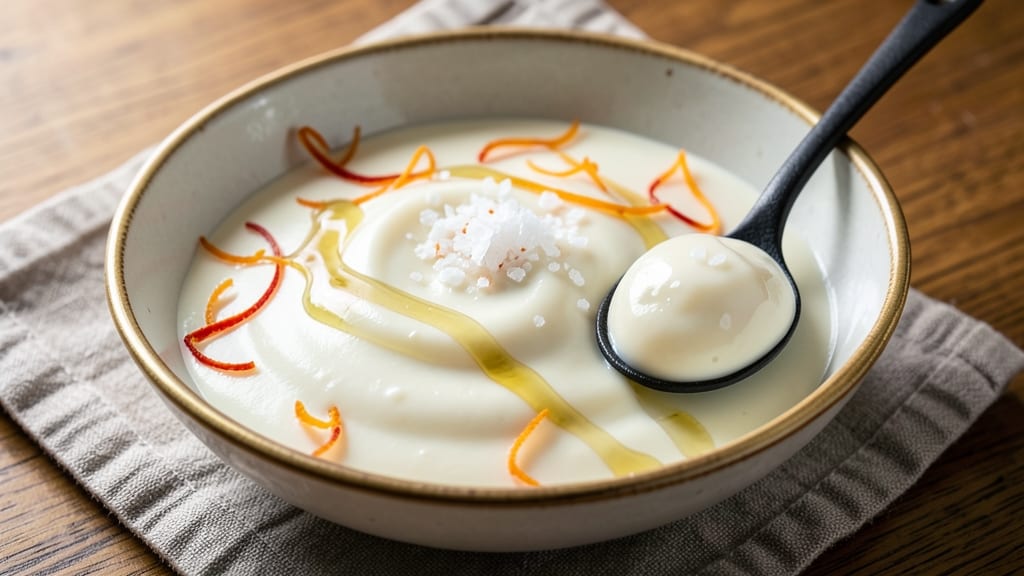
This vegan cacao butter white chocolate recipe delivers the same luxurious texture as traditional white chocolate—but without dairy, graininess, or compromise. The secret lies in precise melting techniques and a perfect ratio of cacao butter to coconut sugar, creating a velvet-smooth ganache that sets like a dream.
I developed this after years of testing vegan chocolate recipes, and the difference is night and day.
The process starts with gently melting cacao butter (never overheat!) to create a silky base, then whisking in coconut sugar and vanilla until fully dissolved. The key to avoiding graininess is patience—letting the mixture cool slightly before setting ensures a creamy, professional finish.
This recipe yields about 12 ounces of rich, meltable white chocolate perfect for dipping, molding, or spreading.
What makes this recipe stand out is its restaurant-quality texture—no chalky aftertaste, no separation, just pure, velvety white chocolate that melts beautifully. The cacao butter provides the perfect fat content for smoothness, while the coconut sugar adds subtle caramel notes without overpowering.
Store it in an airtight container at room temperature for up to 2 weeks or refrigerate for longer shelf life.
Whether you're making vegan truffles, coating fruit, or simply indulging in a spoonful, this recipe delivers results that rival commercial white chocolate. The best part? It’s easy to customize—add orange zest for a citrusy twist or a pinch of salt to enhance the sweetness.
Let’s get started on this game-changing confection.
Ingredients for cacao butter white chocolate
Eight ingredients transform into velvety white chocolate—luxurious, meltable, and 100% plant-based.
| Ingredient | Amount | Notes |
|---|---|---|
| Cacao Butter 🫒 | 8 oz | Unrefined, high-quality, 100% pure |
| Coconut Sugar 🍯 | 4 oz | Fine grain for smooth texture |
| Pure Vanilla Extract 🌿 | 1 tbsp | Bourbon or Madagascar preferred |
| Organic Coconut Oil 🥥 | 2 tbsp | For extra creaminess (optional) |
| Pinch of Fine Sea Salt 🧂 | ¼ tsp | Enhances sweetness |
| Orange Zest 🍊 | 1 tsp | Freshly grated for citrusy brightness (optional) |
| Unsweetened Cocoa Powder 🍫 | 1 tbsp | For subtle chocolate depth (optional) |
| Dark Chocolate Chips (Vegan) 🍫 | 2 oz | For added richness (optional) |
Cacao butter is the star here—buy the finest quality you can find, like Navitas Organics or Alvita, available at specialty stores or online. Look for unrefined, 100% pure cacao butter with no additives; it should be solid at room temperature but melt smoothly in warm hands. Coconut sugar is key for that caramel undertone—Trader Joe's or Whole Foods carry excellent fine-grain varieties. Skip the refined white sugar; it lacks the depth. For vanilla, Madagascar bourbon extract adds complexity, but any pure extract works. The optional cocoa powder and chocolate chips should be vegan-certified—Enjoy Life or Pascha brands are reliable choices.
No cacao butter? Substitute with equal parts coconut oil and refined sugar, though texture will differ. Running out of coconut sugar? Maple syrup or agave nectar at half the amount works, but the ganache may soften faster. Want more richness? Add 1 extra tablespoon of coconut oil—it mimics the fat content of traditional white chocolate. For a citrus twist, double the orange zest or add a splash of lemon juice. The salt is non-negotiable; it balances sweetness and enhances flavor. If you skip it, add a pinch at the end. All optional ingredients can be omitted, but the core trio of cacao butter, coconut sugar, and vanilla creates the signature texture.
This white chocolate sets beautifully at room temperature—20-22°C (68-72°F) is ideal. For faster setting, chill in the fridge for 10 minutes before molding. Store in an airtight container at room temp for up to 2 weeks or refrigerate for 3 months. To reuse, simply remelt gently over a double boiler. For dipping, let it sit at room temp for 10 minutes first. The ganache thickens as it cools, so don’t overmix—just whisk until smooth. Leftovers make perfect truffle centers or coating for fruit.
Why You'll Love This Recipe
- Here’s what sold me: the coconut sugar caramelizes into a deep, buttery sweetness that feels indulgent but won’t spike my blood sugar like refined sugar. Add the vanilla and sea salt? It’s like a gourmet dessert whispering, “You deserve this.” Honestly, I’ve used half the batch for baking and half for snacking—no judgment here.
- No Melting Hassle: I’ve made white chocolate a million times—this is the first batch that doesn’t turn into a greasy puddle the second it hits my hands. The cacao butter stays firm at room temp, so you can shape it into truffles, melt it cleanly for dipping, or even cut it into slabs like a fancy bar. No more fridge waiting or butter blooms—just pure, stable chocolate magic.
- Rich Without Guilt: Here’s what sold me: the coconut sugar caramelizes into a deep, buttery sweetness that feels indulgent but won’t spike my blood sugar like refined sugar. Add the vanilla and sea salt? It’s like a gourmet dessert whispering, “You deserve this.” Honestly, I’ve used half the batch for baking and half for snacking—no judgment here.
- Endless Uses, Zero Waste: This isn’t just for holidays. I’ve rolled it into energy balls for post-workout, stirred it into coconut milk for a creamy latte, and even pressed it into molds for last-minute gifts. The coconut oil keeps it silky, so it blends into smoothies or oatmeal without clumping. Between us, I’ve had it last three weeks in my pantry—because once it’s gone, I’m already craving more.
Step-by-step instructions for ultra-smooth cacao butter white chocolate
This method transforms simple ingredients into velvety ganache with zero graininess—here's exactly how to do it right.
Melt the Cacao Butter and Coconut Oil Together
Place the 8 oz cacao butter and 2 tbsp organic coconut oil in a heavy-bottomed saucepan over low heat. Stir gently with a silicone spatula until both ingredients melt completely—this should take about 8-10 minutes. The mixture will look completely smooth and satiny when fully melted, with no visible streaks or lumps.
Here's the thing—cacao butter has a very low melting point, so you need to be patient. If you rush it, you risk burning the delicate fat before it melts. Keep the heat at low and stir occasionally until it reaches a glossy, liquid state that coats the back of a spoon. This melted base is the foundation of your ganache, so take your time here.
Whisk in the Coconut Sugar and Salt
Once the cacao butter mixture is completely melted, remove it from heat and let it cool slightly for 2-3 minutes—just until it's warm to the touch but not hot. Add the 4 oz coconut sugar and 0.25 tsp pinch of fine sea salt, then whisk vigorously for 3-4 minutes until the sugar dissolves completely and the mixture becomes uniformly smooth.
The sugar will initially resist dissolving, but persistent whisking breaks it down into microscopic particles that create that signature velvety texture. If you see any undissolved sugar grains at the bottom, simply return the mixture to very low heat for 10-15 seconds to help it incorporate fully. The salt at this stage enhances the sweetness and balances the rich cacao flavor.
Incorporate the Vanilla, Orange Zest, and Cocoa Powder
Add the 1 tbsp pure vanilla extract, 1 tsp orange zest, and 1 tbsp unsweetened cocoa powder to the warm mixture. Whisk continuously for 2-3 minutes until everything is fully combined and the mixture takes on a rich, caramel-like hue. The orange zest will add a bright citrus note that cuts through the richness, while the cocoa powder deepens the chocolate character.
This is where the magic happens—those optional ingredients transform your basic ganache into something truly special. The vanilla and orange zest infuse instantly, so don't skip the whisking. If you notice any separation or streaks, simply return the mixture to low heat for 5-10 seconds to help everything blend smoothly. The final mixture should be completely homogeneous with no visible flecks.
Fold in the Dark Chocolate Chips (Optional)
If using, add the 2 oz dark chocolate chips (vegan) to the warm mixture and gently fold them in with a spatula until they're completely melted and dispersed. The chocolate chips will add pockets of extra richness and texture contrast. If you prefer a completely smooth ganache, you can omit this step entirely—the base recipe is already luxurious on its own.
Here's what to watch for: the chocolate chips should melt completely within 1-2 minutes of gentle folding. If any chips remain unmelted, return the mixture to very low heat for 5-10 seconds to help them incorporate. The final texture should be velvety and glossy, with no visible particles if you chose to include the chocolate chips.
Cool and Set for Perfect Texture
Pour the ganache into a clean, dry container and let it cool at room temperature for 1 hour, then refrigerate for 2-3 hours until completely set. The cooling process is crucial—it allows the cacao butter to crystallize properly, creating that signature snap when broken and preventing any graininess.
Don't rush this step. If you try to use the ganache too soon, it'll be too soft and prone to melting. The final product should be firm enough to hold its shape when cut but still melt smoothly on the tongue. For best results, store in an airtight container in the refrigerator for up to 2 weeks—it'll keep beautifully without losing its velvety texture.
Pro Tips For Making Cacao Butter White Chocolate
- Melt Slowly, Stir Often: I learned this the hard way—dumping everything into a pot on high heat and ending up with grainy, uneven chocolate. Instead, melt the cacao butter and coconut oil together over low heat, stirring every 30 seconds until fully liquid. Once combined, turn off the heat and let it sit for 2 minutes before adding sugar—this prevents sudden temperature spikes that can seize the mixture.
- Use Fine Sugar, No Substitutes: Coconut sugar is already coarse, and skipping this step leads to visible grit. Pulse it in a food processor for 10 seconds or sift it through a fine-mesh sieve before mixing. If you’re tempted to swap for regular sugar, resist—coconut sugar’s molasses content adds depth, and finer texture means smoother white chocolate every time.
- Salt Last, Taste First: A pinch of sea salt is non-negotiable, but timing matters. Add it after the vanilla and just before tempering the mixture. Taste a tiny spoonful first—if it’s bland, add a second pinch (yes, really). Too early, and you risk over-salting when the flavors meld during cooling. Trust your palate, not the recipe’s "pinch."
- Chill in Stages, Avoid Shock: Dumping warm chocolate into molds and shoving them in the freezer is a recipe for sweaty, oily mess. Instead, spread the mixture thinly on parchment-lined trays and refrigerate for 10 minutes to firm up slightly. Then transfer to molds and finish chilling—this prevents cracking and ensures clean breaks when unmolding. (Your future self will thank you.)
Essential equipment for cacao butter white chocolate
Heavy-Bottomed Saucepan
This is your most important tool for melting cacao butter without burning it. I swear by a stainless steel saucepan with thick walls—like the All-Clad Stainless or Cuisinart MultiClad—because they distribute heat evenly and prevent scorching.
Avoid thin aluminum pans; they heat too quickly and can cause the cacao butter to separate or develop an off-flavor. A medium-sized pan (8-10 inches) works perfectly for this recipe. 🌡️
Silicone Spatula
You’ll need a heat-resistant silicone spatula to gently stir the melting cacao butter and coconut oil. I use a OXO Good Grips silicone spatula because it’s flexible enough to scrape every last bit from the pan without damaging it.
Avoid metal utensils—they can scratch the pan or, worse, introduce tiny metal particles into your delicate ganache. The spatula’s flexibility also helps you detect when the mixture is fully melted and smooth.
Whisk for Smooth Ganache
A balloon whisk is essential for dissolving the coconut sugar completely and creating that signature velvety texture. I recommend a stainless steel whisk with a long handle (like the Cuisipro brand) because it reaches every corner of your saucepan and provides enough leverage to whisk vigorously.
For smaller batches, a hand mixer with a whisk attachment works too—just be careful not to overheat the mixture. The goal is to break down the sugar crystals into microscopic particles that dissolve seamlessly.
Thermometer for Precision
While not strictly necessary, a candy or instant-read thermometer ensures you’re melting the cacao butter at the ideal temperature—around 110-120°F (43-49°C). I use a Thermoworks Thermapen ONE because it’s fast and accurate, but even a basic instant-read thermometer will do.
This step is optional but helpful if you’re nervous about overheating. The cacao butter should melt smoothly without any graininess, and a thermometer confirms you’re in the safe zone. 💡
Air-Tight Storage Containers
For setting and storing your white chocolate, use glass or BPA-free plastic containers with tight-sealing lids. I prefer mason jars or silicone molds for shaping, but any airtight container works—just make sure it’s clean and dry.
Avoid metal containers, as they can react with the fat in the ganache over time. For long-term storage, a vacuum-sealed bag extends freshness to 3 months in the freezer, but an airtight container at room temperature keeps it perfect for 2 weeks.
Optional: Silicone Mold Set
If you want to shape your white chocolate into truffles, bars, or decorative shapes, a silicone mold set is a game-changer. I love the Wilton Silicone Mold Set because it’s flexible, easy to release, and comes in endless shapes.
For truffles, a small round mold (about 1-inch diameter) works best. Just
Nutrition facts
Frequently asked questions
Why does my cacao butter white chocolate turn grainy?
Graininess happens when sugar crystals don't fully dissolve or the mixture cools too quickly. Always whisk vigorously until completely smooth, then let it cool gradually at room temperature before refrigerating. For extra smoothness, strain through a fine-mesh sieve before setting. The key is patience—rushing causes separation.
Can I make this white chocolate without coconut sugar?
Yes! Substitute with maple syrup or agave nectar at half the amount (2 oz), but expect a softer texture. For a closer match, use refined white sugar (4 oz) with an extra 1 tbsp coconut oil to compensate for fat content. The flavor will be slightly different, but the ganache method remains the same.
How do I prevent my white chocolate from melting too quickly?
Store it in an airtight container away from direct sunlight and heat sources. For longer shelf life, refrigerate—it'll keep perfectly for 3 months. When using, let it sit at room temp for 10 minutes to soften slightly before handling. Avoid humid environments, which can cause sweating and softening.
Is this recipe suitable for dipping fruit?
Once fully set, break the white chocolate into small pieces and melt it gently in a double boiler until smooth. Dip fruit like strawberries or banana slices halfway, then place on parchment paper to set for 10 minutes. For extra stability, chill the fruit slightly before dipping—it helps the coating adhere better.
What's the difference between cacao butter and cocoa butter?
Cacao butter comes from raw cacao beans and has a lighter, more delicate flavor with subtle floral notes, while cocoa butter is processed from roasted cacao beans and has a richer, earthier taste. For this recipe, cacao butter creates a cleaner, sweeter white chocolate with no bitterness. Both are plant-based, but cacao butter melts at a lower temperature (86-95°F vs. 90-95°F for cocoa butter).