
Desserts
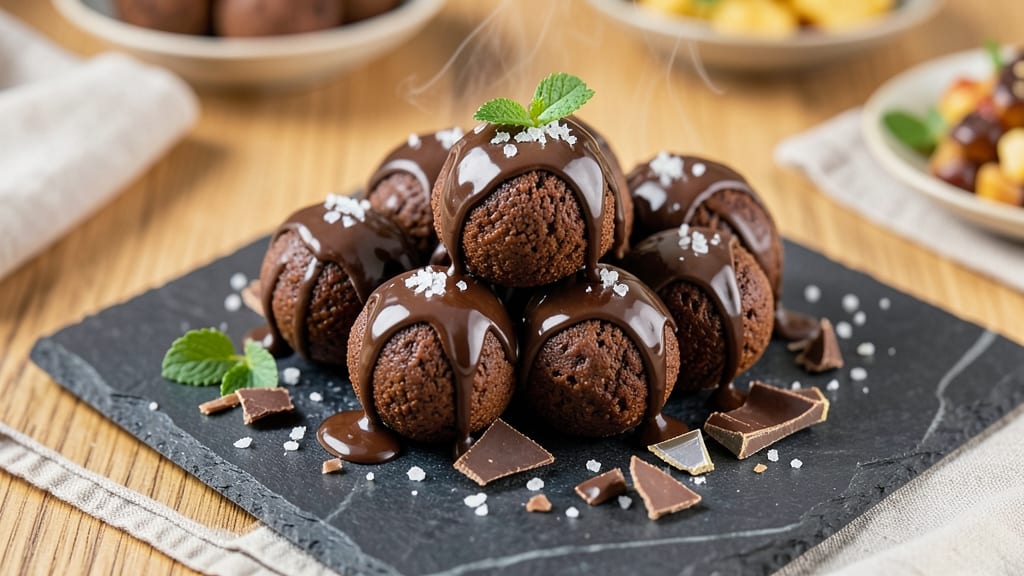
This brownie balls dipped in chocolate recipe delivers the perfect balance of crispy outer shells and gooey centers, all wrapped in a velvety chocolate coating. The secret lies in baking the brownie balls just until set, then dipping them in warm chocolate for that signature snap and melt.
I developed this recipe after years of testing—no more dry, crumbly balls or chocolate that cracks when cooling.
The process starts with a rich brownie batter that holds together beautifully when rolled into balls. Bake them at a precise temperature to ensure they stay tender inside while developing that satisfying crispness.
Once cooled, the real magic happens when you dip them in melted chocolate—whether dark, milk, or white—creating a decadent treat that looks as impressive as it tastes.
What makes these brownie balls truly special is the contrast: the crispy exterior gives way to a molten center with every bite, all enveloped in a glossy chocolate shell.
The technique is foolproof, and the results are restaurant-quality without the fuss. Perfect for parties, gifts, or satisfying a sweet craving, these are sure to become a favorite.
For added flair, consider rolling the balls in sprinkles or crushed nuts before dipping, or experimenting with flavored chocolate for a personalized touch. The possibilities are endless, but the foundation remains the same: tender, crispy, and irresistibly chocolatey. Let's get started!
Ingredients for brownie balls dipped chocolate
Rich chocolate batter, precise baking, and velvety dipping create these irresistible crispy-shelled, molten-centered treats.
| Ingredient | Amount | Notes |
|---|---|---|
| Unsalted Butter 🧈 | ½ cup | Cold, cubed for even baking |
| Granulated Sugar 🍚 | 1 cup | White or light brown |
| Packed Brown Sugar 🍚 | ½ cup | Light or dark variety |
| All-Purpose Flour 🌾 | 1 ½ cups | Sifted for smooth batter |
| Cocoa Powder 🍫 | ½ cup | Natural or Dutch-processed |
| Baking Powder 🧂 | ½ tsp | Aluminum-free preferred |
| Salt 🧂 | ¼ tsp | Fine sea salt |
| Vanilla Extract 🍯 | 1 tsp | Pure Madagascar preferred |
| Large Eggs 🥚 | 2 whole | Room temperature |
| Semisweet Chocolate Chips 🍫 | 1 cup | High-quality brand |
| Dark Chocolate Bars 🍫 | 12 oz | 70% cacao, chopped fine |
| Unsweetened Cocoa Powder 🍫 | ¼ cup | For chocolate coating |
| Heavy Whipping Cream 🥛 | ¼ cup | Full-fat for glossy coating |
| Granulated Sugar 🍚 | ¼ cup | For chocolate coating |
| Vegetable Oil 🫒 | 1 tbsp | For greasing baking sheet |
The chocolate quality here is non-negotiable. Valrhona or Guittard are ideal for both the brownie batter and dipping chocolate—their high cacao content delivers that signature snap and melt. For the cocoa powder, Dutch-processed creates a smoother texture, while natural cocoa adds depth. Butter should be European-style if possible, as it has higher fat content for richer flavor. If you're using store-brand chocolate bars, opt for those with at least 60% cacao to avoid a cloyingly sweet result. The vanilla extract is where you can splurge—Madagascar bourbon adds complexity that artificial extracts simply can't match.
No vanilla extract? Almond extract at half the amount adds a subtle nutty note, though it won't replicate vanilla's floral profile. Running short on semisweet chocolate chips? Chop a chocolate bar into rough pieces—just melt them slightly first for easier mixing. The baking powder is crucial for that crispy exterior; double-acting ensures proper rise. For the chocolate coating, you can substitute white chocolate chips plus extra cocoa powder if you prefer a sweeter finish. And if you're worried about the balls cracking during dipping, chill them for 10 minutes in the freezer before coating—they'll hold their shape better.
Store the brownie batter in an airtight container in the fridge for up to 3 days, though freshly made yields the best texture. Once dipped, these keep beautifully in the fridge for 5 days if stored in a single layer on a parchment-lined tray. For longer storage, freeze the dipped balls for up to 2 months—thaw at room temperature for 30 minutes before serving. Pro tip: Roll the cooled balls in crushed nuts or sprinkles before dipping for added texture contrast. The chocolate coating sets best at 65°F, so work in a cool kitchen if your home is warm.
Why You'll Love This Recipe
- Here’s what sold me: these keep perfectly in the fridge for a week, so I can make a big batch and pull them out for last-minute gatherings. No one will guess they’re just rolled dough—until they take that first bite. (Yes, even on a Tuesday night.)
- No Mixer Needed: I’ll be honest—this recipe only needs a bowl and a spoon. Melt the butter, mix in the sugars, fold in the flour and cocoa, then roll into balls. No electric gadgets, no fuss, just pure, hands-on simplicity that still delivers that fudgy, melty texture we all crave.
- Rich Double Chocolate: That combo of granulated and brown sugar? It’s what makes these brownie balls dangerously good—they’ve got that perfect balance of sweetness and depth, plus the cocoa powder gives them a real chocolatey punch. Dipping them in extra chocolate? Well, let’s just say my kids think it’s dessert, and I don’t blame them.
- Party in a Jar: Here’s what sold me: these keep perfectly in the fridge for a week, so I can make a big batch and pull them out for last-minute gatherings. No one will guess they’re just rolled dough—until they take that first bite. (Yes, even on a Tuesday night.)
Step-by-step instructions for brownie balls dipped in chocolate
Follow this method for perfectly crisp shells and molten chocolate centers every time.
Cream Butter and Sugars to a Light Texture
In a stand mixer fitted with the paddle attachment, beat the 0.5 cup unsalted butter (cold, cubed) with 1 cup granulated sugar and 0.5 cup packed brown sugar on medium speed for 3-4 minutes. The mixture should become light and fluffy, nearly doubling in volume and turning pale in color.
This creaming process incorporates air, which creates the signature crisp shell. Scrape down the sides of the bowl with a spatula to ensure even mixing. If the butter hasn't fully incorporated after 4 minutes, continue beating for another minute—it should look smooth and airy, not greasy.
Add Eggs and Dry Ingredients
Reduce the mixer speed to low and add the 2 whole large eggs, one at a time, mixing just until each is fully incorporated. Add the 1 tsp vanilla extract and mix for 10 seconds to combine. In a separate bowl, whisk together 1.5 cups all-purpose flour, 0.5 cup cocoa powder, 0.5 tsp baking powder, and 0.25 tsp salt. Gradually add the dry ingredients to the wet mixture, mixing on low speed until just combined.
Stop mixing as soon as the flour disappears—overmixing develops gluten, which can make the brownie balls dense. Fold in the 1 cup semisweet chocolate chips by hand using a silicone spatula. The dough should be thick and slightly sticky but manageable. If it feels too dry, add 1 tablespoon heavy cream to help bind it.
Chill and Roll the Dough
Cover the dough with plastic wrap and refrigerate for at least 1 hour (up to 24 hours). Chilling firms up the butter, which prevents the brownie balls from spreading too much in the oven and ensures a crisp shell. Scoop the chilled dough into 1.5-tablespoon portions (about 1-inch balls) and place them on a parchment-lined baking sheet, spacing them 2 inches apart. Flatten each ball slightly with your palm to create a ½-inch thick disc—this helps them hold their shape and develop crisp edges.
Preheat your oven to 350°F while the dough chills. Line a second baking sheet with parchment paper for the second batch. The dough will be firm but pliable—if it crumbles when rolling, return it to the fridge for 15-20 minutes to firm up further.
Bake Until Crisp and Set
Bake the brownie discs for 10-12 minutes until the edges are golden brown and the centers still look slightly underbaked. They should feel firm to the touch but not hard. Rotate the baking sheet halfway through for even baking. Remove from the oven and let them cool on the sheet for 5 minutes before transferring to a wire rack to cool completely.
Here’s the key: the centers should remain soft and fudgy while the edges crisp up. If they look fully set, they’ve overbaked—this is the moment to pull them out. Once cooled, they’ll firm up slightly but stay tender inside. This contrast is what makes these brownie balls irresistible.
Prepare the Chocolate Coating
In a double boiler (or a heatproof bowl set over simmering water), combine 12 oz chopped dark chocolate bars, 0.25 cup unsweetened cocoa powder, 0.25 cup heavy whipping cream, and 0.25 cup granulated sugar. Stir gently until the mixture is smooth and glossy, then remove from heat and let it cool slightly to 100°F—it should thicken but still be pourable. If it sets too quickly, reheat gently over low heat, stirring constantly.
Dip each cooled brownie disc halfway into the chocolate, letting any excess drip off. Place them on a parchment-lined tray and refrigerate for 15 minutes to set. For extra shine, brush the tops with a little melted chocolate after dipping. The contrast of crisp edges and molten centers makes these brownie balls a showstopper.
Pro Tips For Making Brownie Balls Dipped Chocolate
- Melt Butter Slowly: I learned this the hard way—dumping cold butter into a hot pan makes the sugar grainy. Instead, melt the butter first, then let it cool to room temperature before mixing with sugars. The texture of your brownie balls will thank you.
- Sift That Cocoa: Even if the bag says "sifted," cocoa powder is sneaky—it clumps like a stubborn guest. Sift it with the flour before mixing, or you’ll end up with dense, uneven balls. Trust me, your dip won’t stick as smoothly.
- Test for Doneness Early: Brownie balls look done before they are. Slide a toothpick in—if it comes out with just a few moist crumbs (not wet batter), they’re ready. Overbaking turns them dry and crumbly, and no one wants that.
- Chill Before Rolling: Warm dough sticks like glue. After mixing, refrigerate it for 20–30 minutes before rolling into balls. This keeps them from flattening when dipped, and the chocolate will cling like it’s supposed to. (Yes, even if you’re impatient like me.)
Troubleshooting great brownie balls dipped chocolate
Browning Too Dark
If your brownie balls emerge too dark or bitter, your oven is likely running hotter than 350°F. Invest in an oven thermometer—I use the Thermoworks Oven Thermometer—to verify accuracy.
Bake at 325°F instead if needed, and check for doneness at 10 minutes rather than waiting the full 12 minutes. Overbaking dries out the centers and intensifies bitterness. 🌡️
Chocolate Cracking
Cracked chocolate coatings usually mean the brownie balls cooled too quickly or the chocolate set too fast. Chill the finished balls in the fridge for 10 minutes before dipping, then work with chocolate at 100°F (not hotter).
Add 1 tbsp coconut oil to your chocolate mix for extra flexibility. If cracks appear, gently reheat the chocolate to 95°F and redip the affected balls.
Dough Too Sticky
Sticky dough happens when the butter melts too much during mixing. Use cold cubed butter straight from the fridge, and chill the dough for the full 1-2 hours before rolling.
If it’s still too wet, add 1 tbsp cocoa powder or 1 tbsp all-purpose flour at a time until it holds shape. Avoid overchilling—dough should be pliable, not crumbly.
Chocolate Too Thick
Thick chocolate won’t coat smoothly and may clump. Heat the chocolate mixture over low heat while stirring constantly—never boil. For extra insurance, whisk in 1 tbsp heavy cream to thin it out.
If it’s still too stiff, reheat gently and test consistency by dipping a toothpick: it should slide off cleanly but leave a slight trail. 🍫
Balls Falling Apart
If your brownie balls crumble when handling, the dough likely didn’t chill long enough. Return it to the fridge for an additional 30 minutes to firm up. For extra structure, fold in 1 tbsp chopped walnuts or 1 tsp instant espresso powder to the dough—both add binding strength.
Avoid overmixing after adding dry ingredients, as gluten development weakens the texture.
Chocolate Not Setting
Warm kitchen temperatures can prevent chocolate from setting properly. Refrigerate the dipped balls for 20 minutes (not just 15) to ensure a firm shell. For extra stability, chill the chocolate mixture to 90°F before dipping.
Store finished treats in an airtight container in the fridge to maintain crispness—room temperature causes chocolate to soften quickly.
Nutrition facts
Frequently asked questions
Can I use white chocolate instead of dark for dipping?
White chocolate creates a sweeter, creamier finish that pairs beautifully with rich brownie flavor. For best results, use a high-quality white chocolate with at least 20% cocoa butter (like Guittard or Valrhona). The coating will set faster than dark chocolate, so work quickly and chill the dipped balls for 10 minutes in the freezer before transferring to the fridge.
How do I prevent the chocolate from cracking when it sets?
Cracking happens when chocolate cools too quickly or the brownie balls aren't completely cool. Chill the finished balls for 10 minutes in the freezer before dipping, then work with chocolate at 100°F (not hotter). Add 1 tbsp coconut oil to your chocolate mix for extra flexibility. If cracks appear, gently reheat the chocolate to 95°F and redip just the affected spots.
Can I make these ahead of time?
Yes! Store unbaked brownie dough in an airtight container in the fridge for up to 3 days or freeze for 1 month. Once dipped, keep them in the fridge for 5 days or freeze for 2 months. For serving, let them sit at room temperature for 15 minutes to soften the chocolate slightly—this makes them easier to handle and more appealing to guests.
What's the best way to add mix-ins like nuts or sprinkles?
For nuts: fold ½ cup chopped walnuts or pecans into the dough after mixing. For sprinkles: roll the cooled brownie discs in colored sugar or crushed cookies before dipping in chocolate. Pro tip: Use sprinkles with larger pieces (like mini M&Ms) so they don't sink completely during dipping. Press them gently onto the tops after chocolate coating for extra decoration.
Why did my brownie balls turn out dense instead of crispy?
Overmixing the batter or skipping the chilling step are the most common causes. Mix dry ingredients just until combined (don't overbeat), and chill the dough for the full 1-2 hours. Also ensure your butter is cold when creaming. For extra crispness, bake at 325°F instead of 350°F and check for doneness at 10 minutes—they should feel firm but still slightly soft in the center.