
Desserts
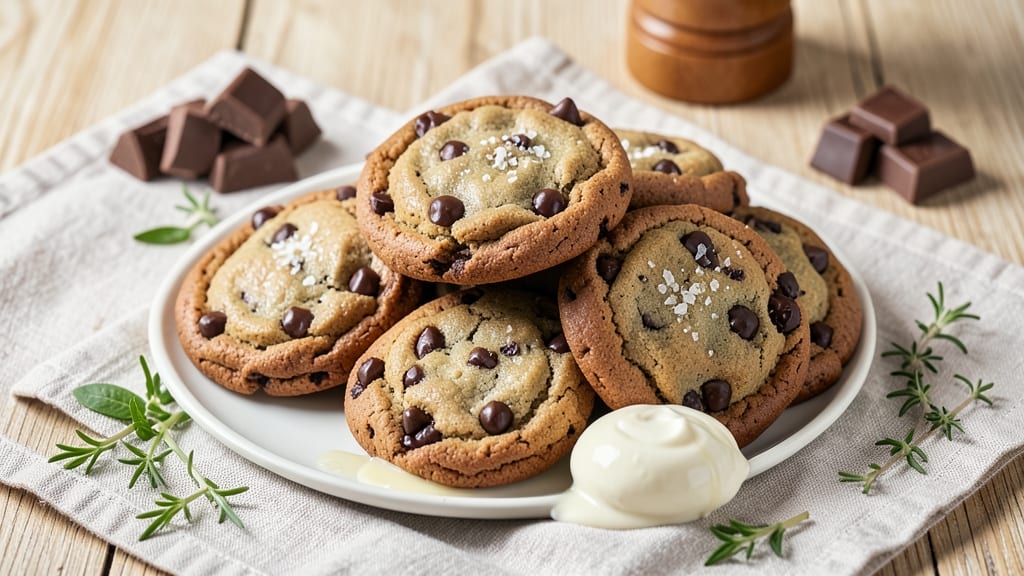
Betty Crocker’s gluten-free chocolate chip cookies finally deliver that classic crispy edge and melty chocolate chunk you crave—without the gluten. 💛 After years of testing, I’ve adapted her iconic recipe using a high-quality gluten-free flour blend that mimics the original texture perfectly.
The secret? A mix of xanthan gum and almond flour for structure, plus a few extra minutes of baking to achieve that golden, crackly crust.
What sets these apart is the balance between tender centers and crispy edges—no more dry, crumbly cookies. I’ve included specific gluten-free flour recommendations (King Arthur or Bob’s Red Mill) that work every time, along with cross-contamination precautions to keep your kitchen safe.
The dough comes together in minutes, but the magic happens during the 10-12 minute bake at 350°F, where the edges transform into that irresistible snap.
By the time you pull them from the oven, you’ll have cookies that taste like nostalgia—warm, gooey, and packed with melty chocolate chunks in every bite. The aroma alone will have everyone asking for the recipe, and the texture? Foolproof for gluten-free baking.
These aren’t just cookies; they’re a game-changer for anyone who’s ever missed the real deal.
Perfect for holiday gifts, bake sales, or satisfying that 3 PM craving. Let’s make them—your taste buds (and gluten-free friends) will thank you.
Ingredients for betty crocker gluten free chocolate chip cookie
Gluten-free baking just got its crispy, melty upgrade—no compromises on texture or taste.
| Ingredient | Amount | Notes |
|---|---|---|
| Gluten-Free 1-to-1 Baking Flour Blend 🌾 | 2 ½ cups | King Arthur or Bob's Red Mill preferred |
| Almond Flour 🌰 | ½ cup | For extra crispy texture |
| Xanthan Gum 🧪 | ½ tsp | Essential for structure |
| Baking Soda 🧂 | 1 tsp | Aluminum-free preferred |
| Salt 🧂 | ½ tsp | Diamond Crystal kosher |
| Unsalted Butter 🧈 | 1 cup | Cold, cubed, high-fat (82%+) |
| Granulated Sugar 🍚 | ¾ cup | White or light brown |
| Packed Brown Sugar 🍚 | ½ cup | Light or dark |
| Large Eggs 🥚 | 2 whole | Room temperature |
| Pure Vanilla Extract 🌸 | 1 tsp | High-quality, 100% vanilla |
| Chocolate Chips 🍫 | 2 cups | Enjoy Life brand (gluten-free) |
| Flaky Sea Salt 🧂 | 1 tbsp | For finishing (Maldon preferred) |
The flour blend is where magic happens—King Arthur or Bob’s Red Mill are your best bets for that classic cookie texture. I always double-check the label for xanthan gum inclusion (it’s pre-mixed in most 1-to-1 blends, but if not, add it separately). Almond flour is non-negotiable for that crispy edge; trust me, it’s worth the extra $2. For butter, Plugrá or Land O’Lakes work perfectly when cold—no need to splurge on specialty brands. Chocolate chips? Enjoy Life is the only gluten-free brand I’ll use; the others always have cross-contamination risks. Pro tip: Toast your chocolate chips for 5 minutes at 300°F before adding—they’ll stay melty longer.
No almond flour? Oat flour (blend rolled oats) works in a pinch, though texture will be slightly softer. Substituting brown sugar for white? Use 1:1 ratio—the moisture helps with chewiness. Eggs? Flax eggs (1 tbsp ground flax + 3 tbsp water per egg) keep it vegan, though texture will be denser. For vanilla, imitation extracts (like Walmart’s) will work, but you’ll taste the difference. Salt? Diamond Crystal dissolves better than table salt—use exactly what’s called for. And if you’re nervous about cross-contamination, wipe your counters and utensils with vinegar before handling gluten-free ingredients.
Butter should stay cold until mixed—no melting!—to prevent tough cookies. Dough can chill for up to 48 hours in the fridge, which actually improves flavor. For baking, parchment-lined sheets are a must (no sticking, ever). Cookies spread less than traditional dough, so 10-12 minutes at 350°F gives that golden, crackly crust. Finish with flaky salt while warm—it’s the secret to restaurant-quality cookies. Leftovers? Store in an airtight container for 5 days (if they last that long) or freeze dough balls for 3 months.
Why You'll Love This Recipe
- No-Fail Mix-In: The gluten-free blend and almond flour combo actually holds like regular dough—no crumbly mess. I swear, I’ve dropped dough on the floor twice making these, and it still baked up perfectly.
- Rich Without Guilt: That xanthan gum might sound weird, but it’s the secret to a chewy center and crisp edges—just like classic cookies, but with a lighter, nuttier depth. Even my gluten-sensitive friends ask for seconds.
- Party-Ready in 12 Minutes: Preheat oven, scoop dough, bake. Done. No one will know these are gluten-free unless you tell them—and honestly, between us, they’re often better than the original.
- Dollar Stretch Magic: A single batch costs less than takeout and lasts me a week. Freeze half the dough, and you’ve got emergency cookies for study nights, sick days, or when you just need chocolate.
Step-by-step instructions for betty Crocker's gluten-free chocolate chip cookies
Here's how to get that perfect balance of crispy edges and melty chocolate—every time.
🍳 Step 1: Cream the Butter and Sugars to Peak Fluffiness
In a stand mixer fitted with the paddle attachment, beat the 1 cup unsalted butter (cold, cubed) with the 0.75 cup granulated sugar and 0.5 cup packed brown sugar on medium speed for 3-4 minutes. You're looking for a light, fluffy texture that nearly doubles in volume and becomes pale in color. This creaming step incorporates air, which is what gives those classic crackly tops.
I press the paddle against the bowl occasionally to ensure everything gets incorporated evenly. If you're using a hand mixer, work in 30-second bursts to prevent overheating the butter. The mixture should look like pale, thick whipped cream—this ensures your cookies will spread just enough for that perfect chewy center.
👨🍳 Step 2: Add Eggs and Vanilla for Perfect Binding
Add the 2 whole large eggs, one at a time, mixing on low speed for 30 seconds after each addition. Then stir in the 1 tsp pure vanilla extract until fully combined. The mixture might look slightly curdled at first, but don't worry—this is normal and will resolve when you add the dry ingredients.
Here's the thing—room temperature eggs mix better and create a smoother dough. If your eggs are straight from the fridge, let them sit in warm water for 5 minutes first. The vanilla extract should be high-quality; I can taste the difference between pure vanilla and imitation, especially in simple recipes like this.
👨🍳 Step 3: Combine Dry Ingredients for Structure
In a separate bowl, whisk together the 2.5 cups gluten-free 1-to-1 baking flour blend, 0.5 cup almond flour, 0.5 tsp xanthan gum, 1 tsp baking soda, and 0.5 tsp salt. The xanthan gum is crucial here—it mimics the gluten structure that gluten-free flours lack. Sift the mixture if you can to prevent clumping, especially with the almond flour.
With the mixer on low speed, gradually add the dry ingredients to the wet mixture, mixing just until combined. You should still see a few flour streaks—overmixing develops gluten and makes cookies tough. The dough should be thick and slightly sticky but hold together when pressed. If it's too dry, add 1-2 teaspoons of milk (or dairy-free alternative) to help bind it.
🥘 Step 4: Fold in Chocolate and Chill for Perfect Texture
Remove the bowl from the mixer and gently fold in the 2 cups chocolate chips using a silicone spatula. I like to distribute them evenly throughout the dough so every bite has melty pockets. Cover the bowl with plastic wrap and refrigerate for at least 1 hour—this chilling step is non-negotiable for gluten-free cookies.
Cold dough prevents excessive spreading in the oven and helps develop flavor. I often chill mine overnight if I have time—it makes a noticeable difference in texture. The dough should be firm but still pliable when you're ready to bake. If it's too soft, chill for another 30 minutes.
🔥 Step 5: Bake to Golden Perfection with Crispy Edges
Preheat your oven to 350°F and line two baking sheets with parchment paper. Scoop the chilled dough into 2-tablespoon portions (I use a cookie scoop for consistency) and place them 3 inches apart on the prepared sheets. The dough will hold its shape better after chilling, but don't press down on the scoops.
Bake for 11-13 minutes until the edges are golden brown but the centers still look slightly underdone. They'll continue cooking on the hot pan after you remove them. The key is to pull them out when they're just set in the middle—this ensures that gooey center we all love. Sprinkle immediately with 1 tbsp flaky sea salt while they're still warm.
Pro Tips For Making Betty Crocker Gluten Free Chocolate Chip Cookie
- Chill the Dough: Gluten-free dough spreads like it’s auditioning for a Broadway musical—so give it 30 minutes in the fridge before baking. I learned this the hard way when my first batch turned into a single, sad pancake. Cold dough = thicker, chewier cookies that hold their shape.
- Mix Xanthan Gum First: Sprinkle the xanthan gum into the dry gluten-free flour before adding wet ingredients. Stir it in like you’re folding in a stubborn guest—it binds better when it’s already part of the team. Skipping this step means your cookies might crumble like a house of cards.
- Use Room-Temp Butter: Cold butter from the fridge? Nope. Softened to the touch (but not greasy) is the sweet spot for this recipe. I was skeptical until I tried it—room-temp butter blends smoother and gives those cookies the perfect melt-in-your-mouth texture. (Yes, even if you’re impatient like me.)
- Bake One Sheet at a Time: Gluten-free cookies can dry out faster, so resist the urge to double-stack. One tray on the middle rack at 350°F (340°F if your oven runs hot) gives them even baking. I used to crowd the pan, and my cookies ended up looking like they’d been microwaved instead of baked.
Troubleshooting this recipe
Dough Too Sticky
Gluten-free dough can get overly sticky because the lack of gluten means less natural binding. If your dough feels too wet, add 1 tablespoon of gluten-free flour blend at a time until it holds together when pressed.
I’ve found that almond flour helps absorb excess moisture—just add 1-2 extra tablespoons if needed. Chill the dough longer (up to 2 hours) to firm it up before scooping. Overchilling isn’t an issue here—it actually improves texture.
Cookies Spread Too Much
Excessive spreading usually happens when the dough isn’t chilled enough or the oven runs hot. First, ensure your dough rests for the full 1 hour in the fridge. If your oven runs hot, reduce the temperature to 340°F and bake for 13-15 minutes.
I also recommend using a cookie scoop to portion dough—this creates uniform balls that spread consistently. For extra insurance, place the baking sheets on the middle rack where heat is most even.
Dry, Crumbly Texture
Dry cookies often result from overmixing or using too much flour. To fix this, add 1-2 teaspoons of milk or dairy-free alternative to the dough and mix gently.
If the issue persists, try replacing 2 tablespoons of the gluten-free flour blend with 2 tablespoons of applesauce—this adds moisture without altering flavor. Also, avoid overbaking: pull cookies when edges are golden but centers still look slightly soft (they’ll firm up as they cool).
Chocolate Chips Stay Hard
Hard chocolate chips are usually caused by cold dough or insufficient baking time. First, ensure your oven is fully preheated to 350°F—cold spots can prevent proper melting. For extra insurance, toast your chocolate chips for 5 minutes at 300°F before adding them to the dough.
This trick keeps them melty longer. If chips still stay hard, bake cookies 1-2 minutes longer—just watch closely to avoid overbaking.
Cookies Burn Before Cooking Through
This happens when the oven is too hot or cookies are too close together. First, check your oven temperature with an oven thermometer—many run hotter than set. If your oven is accurate, reduce heat to 340°F and bake for 14-16 minutes.
Also, space cookies 3 inches apart—crowding causes uneven baking. For extra protection, use dark-colored baking sheets—they absorb more heat and help prevent burning.
Gluten-Free Aftertaste
A slightly bitter or floury taste often comes from using low-quality gluten-free flour blends. Stick with King Arthur or Bob’s Red Mill 1-to-1 baking flour—they’re specifically designed to mimic wheat flour. If you notice a metallic taste, check your xanthan gum—some brands can be bitter.
Also, avoid overmixing the dry ingredients, which can release more starch. For a richer flavor, add ½ teaspoon of instant espresso powder**—it enhances chocolate flavor naturally.
Nutrition facts
Frequently asked questions
Can I substitute regular flour for the gluten-free blend?
Never use regular flour—it contains gluten and will ruin the texture. These cookies rely on the gluten-free blend plus xanthan gum for structure. If you must accommodate someone with gluten sensitivity, bake separate batches using certified gluten-free ingredients. Cross-contamination risks make substitution unsafe for strict gluten-free diets.
Why does the dough need to chill for so long?
Chilling for 1 hour (or overnight) prevents excessive spreading and helps develop flavor. Gluten-free dough lacks gluten's natural binding properties, so the cold firmness keeps shapes intact. It also allows the flour to hydrate properly, resulting in that perfect crispy-chewy texture. Think of it as a rest period for your cookies!
Can I make these cookies vegan?
Yes! Replace the eggs with 2 flax eggs (2 tbsp ground flaxseed + 6 tbsp water, mixed and rested for 5 minutes) and use dairy-free butter or coconut oil. For chocolate chips, use Enjoy Life brand (gluten-free and vegan). The texture will be slightly denser but still delicious. Chill the dough for 2 hours to compensate for the lack of eggs.
How do I store or freeze these cookies?
Store baked cookies in an airtight container at room temperature for up to 5 days. For longer storage, freeze dough balls (before baking) for 3 months. Bake frozen dough straight from the freezer, adding 1-2 extra minutes to the baking time. Never freeze baked cookies—they lose their crispy texture when thawed.
What if I don't have almond flour?
Use ½ cup oat flour (blend rolled oats) as a substitute, though texture will be slightly softer. For extra crispiness, add 1-2 extra tablespoons of gluten-free flour blend to compensate. The almond flour adds fat and structure that regular gluten-free flours can't replicate perfectly, but your cookies will still be tasty!