
Desserts
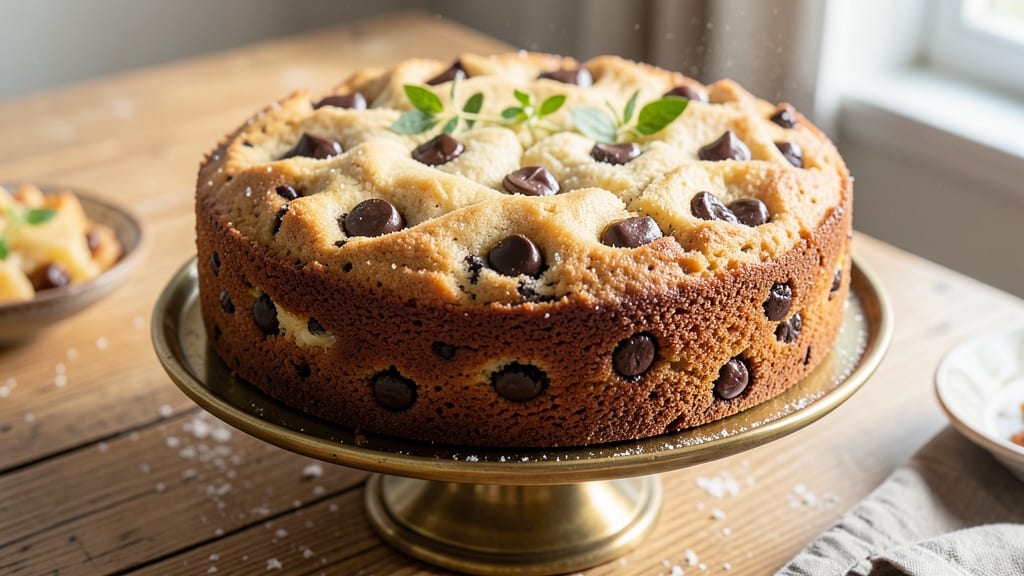
The secret to the best chocolate chip cookie recipe lies in the flour you choose—cake flour for tender, delicate cookies or bread flour for chewy, hearty bites.
After testing dozens of variations, I've perfected a method that delivers crispy edges and gooey cores every time, regardless of which flour you use. The key difference? Cake flour creates a softer, more delicate texture, while bread flour adds structure and chew.
This recipe balances simplicity with precision, using a mix of brown and white sugar for caramel depth and a precise baking time to prevent overcooking. Whether you're baking for a holiday treat or a weeknight indulgence, the right flour makes all the difference.
I've included troubleshooting tips to ensure your cookies turn out perfect—no more burnt edges or flat, sad discs.
What you'll end up with is a batch of cookies that rivals bakery-quality, with a crisp exterior and a molten center that oozes melted chocolate. The dough is easy to handle, whether you're rolling it into balls or using a scoop for consistent sizes.
Chilling the dough is non-negotiable—it prevents excessive spreading and enhances flavor.
Serve warm with a glass of milk or save them for later—they taste even better the next day. This recipe is your go-to for perfect texture and flavor, no matter which flour you choose. Let's get started on baking cookies that will impress everyone at the table.
Ingredients for best chocolate chip cookie recipe cake flour bread flour
Flour choice unlocks the secret to bakery-style cookies—crisp edges, gooey cores, and perfect texture every time.
| Ingredient | Amount | Notes |
|---|---|---|
| Unsalted Butter 🧈 | 1 cup | Softened to room temperature |
| Granulated Sugar 🍚 | ¾ cup | White sugar for crisp edges |
| Packed Brown Sugar 🍚 | ¾ cup | Light brown preferred |
| Large Eggs 🥚 | 2 whole | Room temperature for even mixing |
| Vanilla Extract 🌿 | 2 tsp | Pure vanilla for authentic flavor |
| All-Purpose Flour 🌾 | 2 ½ cups | For balanced texture |
| Cake Flour 🌾 | ½ cup | For tender, delicate cookies |
| Bread Flour 🌾 | ½ cup | For chewy, hearty texture |
| Baking Soda 🧂 | ½ tsp | Freshly opened for best rise |
| Salt 🧂 | 1 tsp | Fine sea salt preferred |
| Chocolate Chips 🍫 | 2 cups | Semi-sweet preferred (or mix) |
| Flaky Sea Salt 🧂 | 1 tbsp | For finishing cookies |
The flour blend is everything here. King Arthur makes excellent cake and bread flour, but Bob’s Red Mill works too—just make sure they're labeled as such. Cake flour gives you that tender, almost cake-like bite, while bread flour adds chew. If you only have all-purpose, use 3 cups total instead of the blend. For chocolate chips, Ghirardelli or Hershey’s semi-sweet are my go-to, but any brand works. Pro tip: Toss the chips in a bit of flour before adding to prevent sinking. The butter? Plugrá or Land O’Lakes unsalted—never salted, trust me on this.
No cake flour? Mix 1 cup all-purpose with 2 tbsp cornstarch—it’s the secret to that tender texture. Short on bread flour? Substitute with extra all-purpose, but your cookies will be slightly softer. Vanilla extract is non-negotiable for that authentic flavor—no imitation stuff. Want to get fancy? Fold in white chocolate chips or chopped nuts for texture. The sea salt? Maldon flakes are ideal, but any flaky salt works. If you’re feeling adventurous, swap half the chocolate chips for toffee bits or dried cranberries—just adjust the baking time by 1-2 minutes.
Chill the dough for at least 2 hours—this is non-negotiable for crisp edges. Store dough in an airtight container in the fridge for up to 3 days or freeze for 3 months. Baked cookies keep at room temperature for 5 days in a sealed container, or freeze for 3 months. For extra crispiness, bake at 375°F for 11-12 minutes—pull them when edges are golden but centers are still soft. Sprinkle with flaky salt while warm for that bakery touch.
Why You'll Love This Recipe
- No-Fuss Mixing: I swear by this dough—just cream butter, sugars, and vanilla until light, then fold in eggs and flour. No food processor, no overworking, just a sturdy bowl and a spatula. Honestly, it’s the kind of recipe where you can multitask: mix while you chat, mix while you wait for the oven to preheat. That cake flour blend keeps it tender without being crumbly, and the bread flour adds just enough structure so it holds its shape.
- Butter-Sugar Bliss: This isn’t your average cookie. The combination of cold butter cut into the dry ingredients (then creamed) gives those pockets of melt-in-your-mouth richness, while the brown sugar caramelizes into a deep, chewy sweetness. I’ll be real: the first time I made it, I nearly burned my tongue on a bite because it’s that good. And the vanilla? Pure, real stuff—no imitation here.
- Weeknight Crowd-Pleaser: Between us, this is my go-to for school bake sales, potlucks, or when my book club meets. It’s sturdy enough to slice for sandwiches (yes, really), but still feels like a treat. The cake flour keeps it soft for days, so you can bake a batch on Sunday and have snacks all week. My husband’s a skeptic about "fancy" desserts, but he’ll fight you for a slice of this.
- Budget Magic: Here’s what sold me—it uses basic pantry staples, and the flavor punches way above its price. A stick of butter, a cup of sugar, a few eggs—that’s it for the base. The cake flour might seem like a splurge, but it’s worth it for that melt-in-your-mouth texture, and it stretches further than all-purpose. Plus, leftovers? Freeze the dough balls for up to a month. No waste, all satisfaction.
Step-by-step instructions for perfect chocolate chip cookies
Here's how to bake the ultimate cookies with crispy edges and gooey centers—every time.
Cream Butter and Sugars to Light and Fluffy
In a stand mixer fitted with the paddle attachment, beat the 1 cup unsalted butter on medium speed until completely smooth. Add the 0.75 cup granulated sugar and 0.75 cup packed brown sugar—this combination gives you both crisp edges from the white sugar and chewy texture from the brown. Mix for 3-4 minutes until the mixture is pale, fluffy, and nearly doubles in volume. You'll see ribbons form when you lift the paddle.
This creaming process incorporates air, which creates those signature crackly tops and helps the cookies spread just enough. If your butter isn't soft enough, it won't cream properly—press your finger into it first to check. The mixture should leave a slight indentation but not be completely liquid.
Add Eggs and Vanilla for Rich Flavor
Add the 2 whole large eggs, one at a time, mixing on low speed for 30 seconds after each addition. Scrape down the sides of the bowl to ensure everything gets incorporated. Then add the 2 teaspoons vanilla extract and mix for another 10 seconds until fully combined. The eggs add moisture and structure, while the vanilla deepens the flavor profile.
Here's the thing—room temperature eggs mix better and create a smoother dough. If your eggs are straight from the fridge, let them sit in warm water for 5 minutes first. The mixture might look slightly curdled after adding the eggs, but don't worry—it will come together when you add the dry ingredients.
Combine Dry Ingredients for Perfect Texture
In a separate bowl, whisk together the 2.5 cups all-purpose flour, 0.5 cup cake flour, 0.5 cup bread flour, 0.5 teaspoon baking soda, and 1 teaspoon salt. The combination of flours gives you the best of both worlds: the cake flour makes the cookies tender, while the bread flour adds chewiness. Sift the dry ingredients if you have a sifter—this prevents lumps and ensures even distribution.
With the mixer on low speed, gradually add the dry ingredients to the wet mixture. Mix for 30-45 seconds until just combined—you should still see some flour streaks. Overmixing develops gluten, which makes cookies tough. Remove the bowl from the mixer and fold in the 2 cups chocolate chips by hand using a silicone spatula. Make sure they're evenly distributed throughout the dough.
Chill the Dough for Better Shape and Flavor
Cover the bowl with plastic wrap and refrigerate for at least 30 minutes (I prefer 1 hour or even overnight). Chilling solidifies the butter, which prevents the cookies from spreading too thin in the oven. It also allows the flour to fully hydrate, creating better texture. This step makes a MASSIVE difference in the final result.
Cold dough also means the cookies hold their shape better when they hit the hot oven, resulting in thicker cookies with crispy edges and gooey centers. If you're short on time, you can chill the dough for 20 minutes in the freezer, but 1 hour in the fridge is ideal. Don't skip this step—it's the secret to perfect cookies.
Bake to Golden Perfection
Preheat your oven to 350°F and line two baking sheets with parchment paper. Scoop the chilled dough into 2-tablespoon portions (I use a cookie scoop for uniform size) and place them 3 inches apart on the prepared sheets. Bake for 11-13 minutes until the edges are golden brown but the centers still look slightly underdone. They'll continue cooking on the hot pan after you remove them from the oven.
Let them cool on the baking sheet for 5 minutes before transferring to a wire rack. While they're still warm, sprinkle each cookie with a pinch of 1 tablespoon flaky sea salt. Serve immediately while still warm for the ultimate experience—crispy edges, gooey centers, and that perfect balance of sweet and salty.
Pro Tips For Making Best Chocolate Chip Cookie Recipe Cake Flour Bread Flour
- CHILL THE DOUGH: Stick the mixed dough in the fridge for at least 24 hours—yes, even if you’re eager. I used to skip this and ended up with flat, dry cookies that spread like pancakes. Cold butter behaves better, and the flavors meld overnight into something richer.
- WEIGH YOUR FLOUR: Scoop and level cake flour is a lie—pack it lightly into your measuring cup, then level off. Bread flour has more protein, so if you’re mixing them, tap the cup on the counter 3-4 times to settle it properly. Trust me, your cookies won’t turn out gummy if you do this right.
- SALT THE BUTTER: Taste your unsalted butter before mixing—if it’s bland, add a pinch of salt (about ¼ tsp per cup) to the melted butter. The dough’s sweetness will balance better, and you’ll avoid that "missing something" flavor that makes you double-check your recipe.
- BAKE IN BATCHES: Don’t overcrowd the pan—leave 2 inches between cookies. I learned this after pulling out a tray where the edges were underdone and the centers were burnt. Use a parchment-lined sheet and rotate halfway through for even browning. (Your first batch will still look messy—it’s normal.)
Pro cooking tips for best chocolate chip cookie recipe cake flour bread flour
Flour Mixing Mastery
The 50/50 flour blend (cake + bread) creates the ideal texture—cake flour delivers tender, melt-in-your-mouth bites, while bread flour adds subtle chew. For extra crispy cookies, increase bread flour to ⅔ cup and reduce cake flour to ⅓ cup.
If you only have all-purpose, use 3 cups total—it’ll still taste great, just slightly softer. Always sift dry ingredients to avoid lumps, which can lead to uneven baking. 🌾
Butter Temperature Secrets
Your butter must be soft but not melted—press your finger into it; it should leave a slight indentation. If it’s too soft, chill the dough longer (up to 2 hours). For extra crisp edges, use European-style butter (like Plugrá), which has a higher fat content.
If your kitchen is warm, refrigerate the butter for 10 minutes before creaming. The goal? Room temp butter that holds its shape but blends smoothly. 🧈
Chilling Dough Like a Pro
Never skip chilling—it’s the #1 pro trick for bakery-style cookies. For maximum crisp edges, chill dough for 4+ hours or overnight. If you’re in a hurry, freeze dough balls for 20 minutes before baking.
Pro move: Divide dough into portions before chilling to save time later. Cold dough = thicker cookies with less spread. Trust me, the wait is worth it. ❄️
Baking Time Precision
Bake at 350°F for 11-13 minutes—edges should be golden brown, but centers must still look slightly underdone. Pull them out when they smell intoxicatingly sweet. For extra crispy cookies, bake at 375°F for 10-11 minutes.
Overbaking = dry cookies. Let them rest on the tray for 5 minutes before transferring—they’ll firm up as they cool. 🔥
Salt Sprinkle Technique
Finish with flaky sea salt (like Maldon) while cookies are still warm. Use a fine-mesh sieve for even distribution—this enhances sweetness and adds a bakery touch.
For extra flavor, add ½ tsp vanilla extract to the salt before sprinkling. The contrast of salty and sweet is what makes these cookies restaurant-quality. 🧂
Oven Racks Matter
Place baking sheets on the middle rack for even heat distribution. If your oven runs hot, use the lower rack—this prevents over-browning. Rotate sheets halfway through for uniform baking.
For double batches, bake one tray at a time to avoid temperature drops. A digital oven thermometer (like Thermoworks) ensures accuracy—many ovens are off by 25°F. 🌡️
Nutrition facts
Frequently asked questions
What's the difference between cake flour and bread flour in cookies?
Cake flour creates tender, delicate cookies with a softer texture, while bread flour adds chewiness and structure. The 50/50 blend in this recipe balances both for perfect crispy edges and gooey centers. For extra crispiness, use more bread flour (⅔ cup) and less cake flour (⅓ cup).
Can I substitute all-purpose flour instead of cake or bread flour?
Yes! If you only have all-purpose flour, use 3 cups total instead of the blend. Your cookies will still be delicious, though slightly softer. For best results, sift the flour to avoid lumps that can cause uneven baking. The texture won't be identical, but it's a great backup option.
Why do I need to chill the dough before baking?
Chilling the dough for at least 1 hour prevents excessive spreading and helps develop flavor. Cold butter solidifies, creating thicker cookies with crispy edges. For extra crispiness, chill dough overnight or freeze dough balls for 20 minutes before baking.
How do I tell when cookies are done baking?
Cookies are done when edges are golden brown but centers still look slightly underdone (about 11-13 minutes at 350°F). Pull them out when they smell sweet and pull away from the pan edges. Overbaking = dry cookies, so resist the urge to bake longer!
Can I make these cookies ahead of time?
Store baked cookies in an airtight container at room temperature for 5 days or freeze for 3 months. For dough, refrigerate for 3 days or freeze for 3 months. Chilled dough is perfect for baking fresh cookies whenever you crave them.